Medifa: A Font for Creative Makers
There’s something special about the moment when a font comes to life on a handmade label. I was working on a set of candle labels the other day, and as I typed out the name of the scent—Lavender Moon—I realized how perfectly Medifa fit. It felt like the font was designed with makers in mind, blending elegance with approachability.
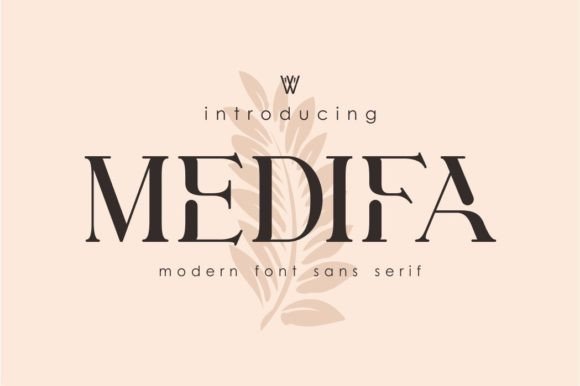
Medifa is a sans serif typeface that feels both modern and warm. Its clean lines and subtle curves give it a soft, inviting personality. It’s not too rigid, nor too whimsical—it sits just right for creative projects that need a touch of sophistication without being overly formal.
One of the first things I noticed about Medifa was how well it works with handmade elements. Whether I’m printing labels for soy candles or designing a greeting card, the font adds a sense of polish without overpowering the design. It’s versatile enough for everything from wedding invitations to farmhouse signs, and its readability makes it ideal for product labels and packaging.
Using Medifa in Handmade Projects
When I started experimenting with Medifa for printable wall art, I was impressed by how it elevated the overall look. The font pairs beautifully with minimalist layouts, making it perfect for planners, journal pages, and digital templates. I often use it for headings and titles, but it also works well for body text when paired with a simpler font.
For seasonal products, like holiday tags or gift wrap, Medifa brings a refined touch. It’s especially effective when used alongside hand-drawn illustrations or watercolor textures. The font’s balance between structure and flow makes it a great choice for anything that needs to feel personal yet professional.
I’ve also found Medifa to be a reliable choice for shop branding. Whether I’m creating a logo or designing social media graphics, the font helps maintain a cohesive visual identity. It’s clear, legible, and has a friendly vibe that resonates with customers who appreciate thoughtful design.
Medifa in Action: Real-World Examples
On a recent project, I designed a set of boutique tags for a small shop. Using Medifa for the product names and descriptions gave the tags a polished, cohesive look. The font’s subtle variations in weight helped differentiate sections without feeling cluttered.
Another time, I used Medifa for a series of birthday invitations. The font added a touch of elegance while keeping the design approachable. I paired it with a handwritten script for the greeting, which created a nice contrast and made the invitations feel more personal.
For digital downloads, like printable calendars or planner inserts, Medifa shines. Its clarity makes it easy to read on screens, and its aesthetic appeals to those who want their designs to feel premium. I often use it for headers and titles, then pair it with a simple serif font for body text to add depth and variety.
Practical Tips for Using Medifa
When using Medifa for cutting machines, like Cricut or Silhouette, I recommend testing it at different sizes. The font remains readable even at smaller sizes, which is great for stickers and labels. For printed cards or mockups, make sure to adjust spacing and line height for optimal legibility.
If you’re using Medifa for product packaging, consider how it looks in both digital and physical formats. Test it on different backgrounds and materials to see how it holds up. For shop listings, use it in preview images to show how it appears on real products.
When pairing Medifa with other fonts, think about the mood you want to create. A bold display font can work well for headlines, while a clean serif or script font can add warmth to body text. Experiment with different combinations to find what feels right for your brand.
Considerations for Commercial Use
Before using Medifa for commercial projects, check the licensing details. Make sure it’s allowed for physical products, printables, or digital downloads. Some fonts have restrictions on resale or modification, so it’s important to confirm these details upfront.
Also, explore the font’s features. Medifa may include alternate characters, ligatures, or swashes that can add extra flair to your designs. These small details can make a big difference in how your work looks and feels.
For multilingual projects, verify that Medifa supports the languages you need. This is especially important if you’re targeting international customers or creating content in multiple languages.
Overall, Medifa is a font that feels right for makers who want to elevate their designs without sacrificing simplicity. It’s a reliable choice for anything from product labels to digital printables, and its versatility makes it a valuable addition to any creative toolkit.
Whether you’re crafting candles, designing invitations, or creating printable art, Medifa offers a blend of beauty and functionality that’s hard to beat. It’s a font that understands the needs of handmade businesses and creative individuals, and it continues to inspire new ideas every time I use it.